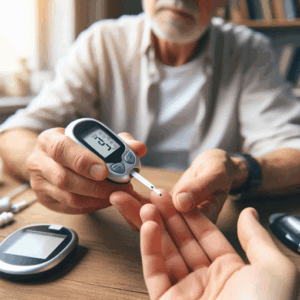




Diabetes is quickly becoming a major global health issue. Millions of people worldwide face its challenges daily, and it’s especially concerning in India. Recognizing early type 2 diabetes symptoms is crucial. Why? Early detection allows for timely intervention and better management of this condition. Many people misunderstand diabetes symptoms, thinking they’re just a part of getting older or living a hectic life. It’s essential to know these signs and consult a medical professional for effective management. Their expertise helps tackle diabetes before it affects daily life.
1. Frequent Urination: Recognizing Changes
One of the earliest type 2 diabetes symptoms is the need to urinate frequently. High blood sugar levels cause the kidneys to work overtime to filter and absorb the excess. As a result, you may find yourself visiting the restroom more often than usual. – This can disrupt daily routines and disturb your sleep, leaving you groggy throughout the day. – Often, this symptom sneaks in quietly, leading many to dismiss it or confuse it with other conditions. – But, it’s an important sign not to overlook.
2. Increased Thirst: A Sign Not to Ignore
Another early sign of diabetes is increased thirst, closely linked to frequent urination. As the body loses more water, it craves more liquid to replenish itself. This can lead to dehydration if not addressed. Pay attention to how much water you’re drinking and what’s normal for you. – Recognizing these subtle clusters of symptoms early on empowers individuals to seek timely care.
3. Constant Hunger: Differentiating from Normal Appetite
Persistent hunger can also be a red flag. This symptom happens because the body struggles to convert sugar into energy. Despite eating enough, you still feel hungry because the glucose can’t reach the cells properly. Start by noting when you feel hungry. – Is it only after meals? – Or is it that nagging feeling that never goes away? – Recognizing this difference is key in identifying potential issues.
4. Fatigue and Tiredness: When Rest Isn’t Enough
Feeling tired can be a regular part of life, but when rest doesn’t help, type 2 diabetes symptoms might be at work. High blood sugar can affect the body’s energy production, leaving you feeling exhausted. Many attribute such fatigue to today’s busy lifestyles and stress. Yet, understanding the true cause is vital for proper care.
5. Unintentional Weight Loss: A Silent Indicator
Unexplained weight loss is another warning sign. Despite eating normally, your body might still lose weight. This happens because your body begins burning muscle and fat for energy due to glucose not reaching cells. Seeing a sudden loss without changes in diet or exercise routines can be a silent call for help, indicating deeper issues.
6. Blurred Vision: Recognizing Transient Changes
Experiencing blurry vision might be one of the more surprising type 2 diabetes symptoms. It’s caused by fluctuating blood sugar levels that affect the fluid in the eyes, temporarily changing their shape. While these changes might seem minor initially, they can be significant. So, if you find that your vision changes suddenly or frequently, it’s a good idea to have it checked by an eye professional. Early diagnosis and treatment can prevent long-term damage.
7. Slow-healing Wounds: A Call for Care
High blood sugar can slow down the body’s healing process, leading to slower wound recovery. This involves not just big cuts but also minor injuries. When you notice that a small scrape or bruise takes too long to heal, it could be a sign your sugar levels are off. – Early detection can prevent infections and serious complications. – Regular checks help ensure minor injuries heal promptly.
8. Recurring Infections: Why They Matter
Diabetes can make you more susceptible to infections. These include skin, gum, and urinary tract infections. People with diabetes also experience yeast infections more frequently due to the sugar-loving nature of yeast. – If you’re seeing infections more often, it might be a clue to check your health.
9. Dry Mouth and Itchy Skin: Indicators of Dehydration
Dry mouth and itchy skin might signal dehydration, common when blood sugars are high. These symptoms can be uncomfortable but serve as important reminders to pay attention to overall health. Keeping skin hydrated and drinking enough water can help alleviate the signs.
10. Tingling or Numbness: Early Nerve Signals
Tingling or numbness in your hands or feet might suggest early nerve damage, also known as peripheral neuropathy. This occurs due to high blood sugar. Early intervention and regular check-ups can maintain nerve health and avoid more severe complications.
When to Seek Expert Advice
It’s essential to contact a healthcare professional when you notice these symptom combinations. Some are silent and can quietly affect your body without always showing clear signs. – Early intervention helps manage blood sugar, protecting vital organs. – Professionals can guide on steps to take and tests to perform.
Empowering Daily Choices: Tips for Managing Risk
Taking control of your health involves lifestyle changes. – Focus on balanced nutrition to manage weight effectively. – Incorporate regular physical activity into your routine. – Routine screenings catch signs early. – In India, there are numerous accessible healthcare options to explore.
Conclusion: Towards Proactive Health Management
Acknowledging and addressing the type 2 diabetes symptoms early is crucial. These symptoms serve as vital indicators for intervention. With the rise in diabetes cases, especially in India, it becomes imperative to recognize these initial signs promptly. Managing diabetes is achievable when lifestyle adaptations are embraced. It’s about more than just awareness; proactive health checks and community support systems play a significant role. Taking steps now can lead to healthier, more fulfilling lives in the future. Don’t wait—take charge of your health today.